Pansexual vs. Bisexual: A Modern Guide to Identity Labels
Choosing a label that fits can take time—especially when you’re comparing pansexual vs bisexual. You might feel attraction across the gender spectrum, yet still wonder which word matches how you experience it. This guide explains key definitions, clears up common myths, and offers gentle prompts for reflection. If you’d like a structured way to sort your thoughts, you can try our sexuality test tool.
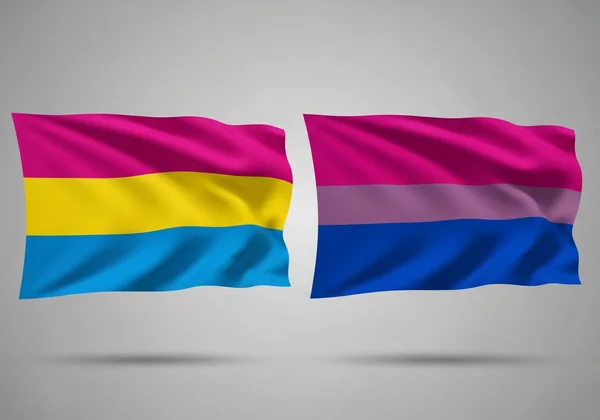
Pansexual vs. Bisexual: Core Definitions Today
Understanding pansexual vs bisexual starts with modern, community-informed definitions. These labels often overlap. Many people choose one based on personal comfort, community history, or how they describe attraction—not because the identities are in conflict.
Bisexuality is commonly defined as attraction to two or more genders (or same and other genders). For some people, bisexual is a broad umbrella term that leaves room for nuance—without requiring you to list every gender you may be attracted to.
Pansexuality is commonly described as attraction to people regardless of gender. For some pansexual people, gender isn’t a deciding factor in initial attraction. The spark may feel more connected to personality, energy, humor, or emotional connection than to gender categories.
Bisexuality and the Bisexual Umbrella
Historically, bisexuality has been a central label for people who aren’t exclusively gay or straight. Today, many bisexual communities emphasize that bi does not require attraction to only two genders. Instead, it often signals openness to more than one gender, with plenty of room for different experiences and preferences.
For many, the label also offers:
- A long-standing community and cultural visibility
- A flexible way to describe multi-gender attraction
- A sense of continuity with earlier LGBTQ+ movements
Myth Check: Does Bisexuality Exclude Non-Binary or Trans People?
A frequent misunderstanding in the pansexual vs bisexual conversation is that bisexuality is automatically binary. In practice, many bisexual communities have long included trans and non-binary people. The well-known Bisexual Manifesto (1990) explicitly challenged binary assumptions and emphasized gender diversity.
Choosing bisexual does not inherently mean excluding anyone. It can simply mean you experience attraction to multiple genders in a way that feels right to name as bi.
Pansexual vs. Bisexual Attraction Styles: Gender-Blind vs. Gender-Conscious
For many people, the pansexual vs bisexual difference isn’t only about who you can be attracted to, but how gender shows up in your attraction process.
Some pansexual people describe their attraction as gender-blind (or gender isn’t a filter). This doesn’t mean they don’t notice gender. It means gender usually isn’t what determines whether attraction happens.
Many bisexual people describe their attraction as gender-conscious. Gender may shape the flavor of attraction, preferences, or emotional patterns—even if they’re attracted across more than one gender.
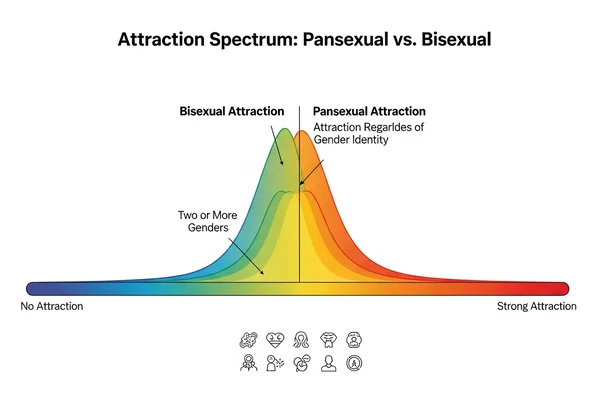
What Gender-Blindness Can Mean in Pansexuality
A simple way to think about it: you may notice someone’s gender, but it isn’t the reason attraction happens. If you often feel that your type is based on connection, vibe, or character—without gender playing a meaningful role—pansexual may feel like a clean description.
Some people like the label because it:
- Emphasizes openness across the full gender spectrum
- Helps explain regardless of gender attraction in one phrase
- Feels aligned with how attraction shows up internally
Gender-Conscious Attraction in Bisexuality
Many bisexual people experience attraction across genders but still feel that gender influences how attraction feels. For example, you might notice different preferences, different romantic dynamics, or different emotional responses depending on someone’s gender expression.
For some, bisexual is a better fit because it:
- Acknowledges gender as a meaningful part of attraction
- Leaves room for preferences without invalidating the label
- Connects to a long-standing bi community and history
Pansexual vs. Bisexual vs. Omnisexual: A Quick Comparison
As you explore the pansexual vs bisexual topic, you might also see omnisexual or polysexual. These terms can help some people get more specific, but you don’t need them to be valid.
- Omnisexual: attraction to all genders, often with gender still noticed and sometimes preferred.
- Polysexual: attraction to many (but not necessarily all) genders.
| Label | Core definition | Gender involvement |
|---|---|---|
| Bisexual | Attracted to 2+ genders | Often gender-conscious; may have preferences |
| Pansexual | Attracted regardless of gender | Often gender is not a deciding factor |
| Omnisexual | Attracted to all genders | Gender noticed; preferences may exist |
| Polysexual | Attracted to many genders | May exclude some genders |
If you want a structured way to reflect on your own patterns while reading, you can take the sexuality test online here: take the sexuality test online.
Why Pansexual vs. Bisexual Labels Can Affect Well-Being
At SexualityTest.org, we view identity clarity as one part of overall well-being. The pansexual vs bisexual question isn’t just about wording. It can influence how seen, understood, and connected you feel.
When you don’t have language that fits, you might experience:
- Feeling isolated or out of place
- Second-guessing yourself (Am I valid?)
- Stress from uncertainty or social pressure
Finding a label that feels like home can ease that tension—not because a label fixes everything, but because it supports self-understanding and community connection.
Identity Clarity and Self-Esteem
When a label fits, it can reduce mental friction. You may feel more grounded in how you describe yourself, set boundaries, or talk about your experiences. That steadiness can support self-esteem—especially when you’re facing invalidation or stereotypes.
Minority Stress and Community Support
People who identify within the bi/pan spectrum may face bi-erasure, it’s just a phase, or other dismissive comments. Community support can help counter those narratives by offering shared language, validation, and a place where your identity isn’t treated as a debate topic.

Pansexual vs. Bisexual Self-Reflection: Questions to Ask
There’s no external test that can declare your identity with certainty. Labels are about comfort, meaning, and self-recognition. Still, structured reflection can help you notice patterns.
Try these prompts:
- When you feel attraction, does gender feel loud or quiet?
- Do you feel attraction regardless of gender, or do you notice gender shaping the experience?
- Do you prefer a broad umbrella label, or a more specific how it feels label?
- Which word feels easier to say about yourself—bi, pan, both, or neither?
- Do you want a label mainly for community/history, for precision, or for both?
Optional: A Private Reflection Resource
If you’d like a guided way to organize your answers, you can use a simple structured resource. It’s not a diagnostic or medical test. It’s a way to put words to your patterns, at your own pace.
If that sounds helpful, you can use the sexuality test tool for self-reflection here: use the sexuality test tool for self-reflection.
Conclusion: Your Label Should Serve You
In the end, the pansexual vs bisexual distinction is a tool for self-expression—not a rule you must obey. You can be bisexual, pansexual, both, questioning, or label-free. Your experience is valid even if it doesn’t fit neatly into a definition.
If a word feels right today, you can use it. If it changes later, that can be part of growth—not a failure.
Common Misconceptions Checklist
-
Myth: Bisexuality is trans-exclusionary.
Reality: Many bi communities have long included trans and non-binary people. -
Myth: Pansexuality is just a trend.
Reality: It’s a valid identity used to describe a specific experience of attraction. -
Myth: You must have equal attraction to all genders to be bi or pan.
Reality: Preferences and shifts are common and don’t invalidate identity. -
Myth: Choosing a label means you can never change it.
Reality: Labels can evolve with self-understanding. -
Myth: You need dating proof to claim a label.
Reality: Your internal experience matters.
Note on support: If identity questioning is causing intense anxiety, sleep disruption, or daily distress, consider talking with an LGBTQ+ affirming therapist or counselor. Support can help you feel safer while you explore, without pressure to figure it out immediately.
Frequently Asked Questions
Can I be both bisexual and pansexual?
Yes. Some people use bisexual as a broad identity (especially in general settings) and pansexual to describe the regardless of gender quality of their attraction. If both feel useful, you can use both.
What if I’m attracted to all genders but still prefer bisexual?
That’s completely valid. People choose labels for many reasons—history, community, personal comfort, or the way a word feels. You get to decide what fits best.
Is it okay if my label changes over time?
Yes. It’s common for language to shift as you learn more about yourself or as community terms evolve. Changing your label can simply reflect deeper clarity.