Types of Pansexuality and Different Ways Pan Attraction Can Feel
Searching for types of pansexuality usually means one of two things: you may be trying to understand the word "pansexual" more clearly, or you may be looking for language that fits the way attraction actually feels in your life. Pansexuality is often described as attraction to people regardless of gender, but that short definition does not capture every personal experience. Some people feel gender is not central to their attraction. Others notice gender, yet do not experience it as a boundary. If you are sorting through these possibilities, a private sexuality reflection can be one gentle way to organize your thoughts without treating any label as a final answer.

What "Types of Pansexuality" Really Means
Pansexuality is not usually divided into official subtypes. There is no universal checklist that separates one "kind" of pansexual person from another. In everyday search language, however, people use phrases like "different types of pansexual" or "types of pansexuals" because they want examples. They want to know whether their own pattern of attraction can fit under the pan label.
A better way to think about types of pansexuality is to think in terms of attraction styles. These are common ways people describe how pan attraction shows up:
- Gender may feel mostly irrelevant to attraction.
- Gender may be noticed, but not limiting.
- Romantic attraction and sexual attraction may not match perfectly.
- Emotional closeness may shape when attraction appears.
- Attraction may feel steady for years or fluid over time.
- A person may use pansexual, bisexual, queer, omnisexual, or more than one label.
None of these patterns is more valid than another. Labels are tools for communication and self-understanding. They are not exams, and they do not need to capture every detail of a person's relationships, history, or future.
Common Types of Pansexuality and Pan Attraction Styles
The examples below are not rigid categories. They are practical language patterns that may help you compare your experience with the broader meaning of pansexuality.
Gender-Not-Central Pansexuality
Some pansexual people describe attraction as centered on the person rather than gender. They may be drawn to someone's humor, values, creativity, warmth, confidence, voice, or emotional presence. Gender identity may be respected and recognized, but it is not the main factor that determines whether attraction can happen.
This is the meaning many people have in mind when they say pansexuality is attraction "regardless of gender." It does not mean being attracted to every person. A straight person is not attracted to every person of another gender, and a pansexual person is not attracted to every person of any gender. It means gender itself is not the gatekeeper.
Gender-Aware Pansexuality
Other pansexual people do notice gender as part of how attraction feels. They may find that attraction has different textures with women, men, nonbinary people, gender-fluid people, or people whose gender expression changes over time. Still, gender does not close the door.
This attraction style can sound close to omnisexuality. Many people describe the difference this way: pansexual often emphasizes attraction regardless of gender, while omnisexual often emphasizes attraction to all genders while still noticing gender. In real life, the boundary is personal. If you are wondering "Am I pan or omni?", the most useful question may be which word feels clearer, more comfortable, or more honest when you explain yourself.
Panromantic Pansexuality
Some people experience romantic and sexual attraction in a similar way. They may feel both romantic and sexual attraction to people regardless of gender, and they may use pansexual as a broad label for the whole experience.
Others like to be more specific. A person might identify as panromantic and pansexual, meaning both romantic and sexual attraction can include people of any gender. This can be helpful for people who want language that includes dating, emotional attachment, desire, and long-term partnership.
Panromantic with a Different Sexual Orientation
The split attraction model is a way some people describe romantic attraction and sexual attraction separately. For example, someone might be panromantic but asexual, panromantic but demisexual, or panromantic while still figuring out sexual attraction.
This matters because pansexuality conversations sometimes flatten attraction into one thing. For some people, romance, desire, emotional closeness, and relationship interest do not all move together. If that sounds familiar, it may help to explore romantic orientation alongside sexual orientation rather than forcing one label to do all the work.
Demisexual Pansexuality
Pansexual vs demisexual is a common search because the terms answer different questions. Pansexual describes who someone can be attracted to in terms of gender. Demisexual describes how attraction tends to develop, often after emotional connection.
A person can be both. For example, someone may rarely feel attraction at first glance, but when emotional closeness grows, attraction could develop toward a person of any gender. In that case, demisexual describes the condition or pace of attraction, while pansexual describes the gender range of attraction.
Fluid Pansexuality
Fluid vs pansexual is another area where people often feel confused. Sexual fluidity means attraction, identity, or desire can shift over time. Pansexuality describes attraction that is not limited by gender. A person can experience both.
For example, someone may identify as pansexual for years while noticing that the intensity, frequency, or style of their attraction changes during different life stages. Another person may use "fluid" because their label itself changes over time. Neither experience is wrong. Fluidity does not make a pan identity less real, and a steady pan identity does not require attraction to feel identical every day.
Pansexual and Bisexual Overlap
Some people identify as pansexual and bisexual. This can surprise readers who expect labels to be mutually exclusive, but many identity words overlap. Bisexual is commonly used to mean attraction to more than one gender. Pansexual is commonly used to emphasize that gender is not a limiting factor.
Someone might choose pansexual because it feels more precise. Another person might choose bisexual because it has personal, community, or historical meaning. Another may use both depending on context. The important point is respect: a person's chosen label should be accepted without demanding a debate.
Pansexual Examples in Everyday Life
A pansexual example does not have to be dramatic. It can be as simple as noticing that your crushes have included people of several genders and that gender did not feel like the reason attraction appeared. It might look like dating a man, later having feelings for a nonbinary person, and later realizing you could imagine connection with people across the gender spectrum.
For a pansexual woman, the label can mean she is a woman who can be attracted to people regardless of gender. It does not mean she is confused, less committed, or unable to have a monogamous relationship. Her current partner also does not erase her orientation. A pansexual woman dating a man is still allowed to understand herself as pansexual, just as a bisexual person in one relationship does not stop being bisexual.
Pansexual celebrities are often searched because public figures can make a label feel more visible. Still, celebrity lists should be treated carefully. Public identities can change, quotes can be outdated, and no public figure can decide what your own label means. Visibility can help, but your self-understanding does not need a famous example to be legitimate.
Pansexual vs Omnisexual, Demisexual, and Fluid
Many searches around types of pansexuality are really comparison searches. Here is a simple way to separate the most common terms.
Pansexual usually means attraction to people regardless of gender. Omnisexual usually means attraction to all genders, often with gender still noticed as part of attraction. Bisexual commonly means attraction to more than one gender, and for many people it can include attraction to all genders. Demisexual describes attraction that tends to appear after emotional closeness, so it can combine with many orientations. Fluid describes change over time, not one fixed gender range.
These distinctions are useful, but they are not walls. Real people often choose labels for emotional, cultural, community, or personal reasons. If two terms both seem accurate, you do not have to rush to remove one. You can ask:
- Which word helps me explain myself with the least strain?
- Which word feels respectful of my actual attraction patterns?
- Which word connects me with the community or history I value?
- Would using more than one label reduce confusion or increase it?
A sexuality self-reflection tool can support that kind of thinking by turning vague feelings into clearer prompts, but it should remain a reflection aid rather than a rulebook.

The Pansexual Flag and What It Can Represent
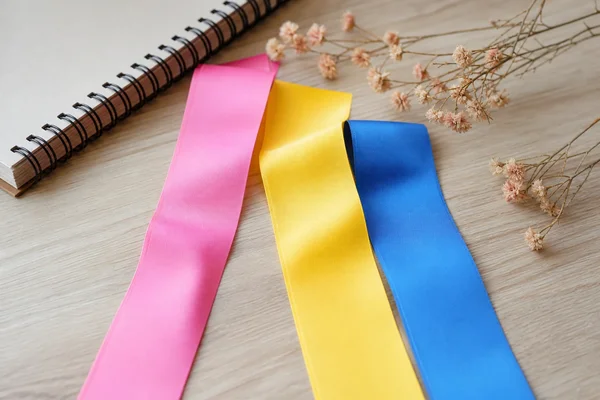
The pansexual flag is commonly shown with pink, yellow, and blue horizontal stripes. Many people understand the colors as representing attraction across women, nonbinary people, and men, though community explanations can vary. For some people, the flag is a visibility symbol. For others, it is a quiet reminder that their attraction does not have to fit a gender binary.
Symbols can be meaningful without being mandatory. You do not need to own a flag, post about your identity, or come out publicly to be pansexual. Some people enjoy visible pride symbols. Others prefer private language, especially if family, school, workplace, culture, or safety concerns make openness complicated.
How to Explore Your Label Without Pressure
If you are trying to decide whether pansexuality fits, it may help to move slowly. Instead of asking for one perfect answer, look for repeated patterns.
Try writing down the people you have felt drawn to, without ranking or judging the feelings. Notice whether gender felt central, secondary, or mostly unrelated. Separate romantic interest from sexual attraction if those feel different. Pay attention to emotional connection, timing, and context. You may also reflect on which words feel comfortable when spoken out loud, written in a journal, or shared with someone trusted.
It is also okay if your answer is "I am not sure." Questioning can be part of self-discovery, not a failure to know yourself. If exploration brings anxiety, conflict, or distress, consider talking with an affirming counselor or another qualified support person. The goal is not to force certainty. The goal is to understand yourself with more honesty and less pressure.
A Gentle Next Step for Pansexuality Self-Reflection
Types of pansexuality are best understood as flexible attraction styles, not official boxes. You might relate to gender-not-central attraction, gender-aware pan attraction, demisexual pansexuality, fluid pansexuality, panromantic patterns, or more than one label at the same time. You might also decide that a neighboring word, such as omnisexual, bisexual, queer, or fluid, fits better.
If you want a structured way to keep reflecting, you can explore a confidential sexuality test as one optional starting point. Use the result as information for reflection, not as a verdict. Your lived experience, comfort, relationships, boundaries, and chosen language all matter.

FAQ
Are there official types of pansexuality?
Not usually. Pansexuality is generally understood as one orientation, not a set of formal subtypes. When people search for types of pansexuality, they are often looking for examples of how pan attraction can feel in real life.
Am I pan or omni?
You may relate to both. Pansexual often emphasizes attraction regardless of gender, while omnisexual often emphasizes attraction to all genders with gender still noticed. The best label is usually the one that feels most accurate and useful to you.
What is a Berrysexual?
Berrysexual is not a widely standardized orientation term in the way pansexual, bisexual, asexual, or demisexual are. If you see it online, check how the person or community using it defines it, and be cautious about treating niche labels as universal.
What does LGBTIQCAPGNGFNBA+ stand for?
Very long LGBTQIA+ acronym variants try to name many identities at once, but meanings can differ by community and context. If you encounter a long acronym, it is usually better to ask for the specific source's definition than to assume one universal expansion.
What age do most people come out?
There is no single correct age. Some people come out young, some in adulthood, and some never come out publicly. Timing can depend on safety, support, culture, privacy, and personal readiness.
Can pansexual people have preferences?
Yes. Being pansexual does not mean being attracted to everyone or having no preferences. A pansexual person may still have preferences around personality, values, presentation, relationship style, or other qualities.
Is pansexuality the same as being attracted to everyone?
No. Pansexuality means gender is not a limiting factor in who someone can be attracted to. It does not mean constant attraction, attraction to every individual, or a specific relationship style.