What Is Human Sexuality? Understanding Its Dimensions and Expressions
If you are currently reflecting on your own feelings, patterns of attraction, or identity, you are not alone in navigating these complex waters. Human sexuality is much more than a simple biological baseline or a set of rigid labels; it is an intricate, lifelong aspect of who we are. This comprehensive guide is designed to deconstruct the scientific, psychological, and social layers that shape our internal experiences. By understanding these diverse dimensions, you will gain a clearer, research-backed framework to look inward, normalize your personal doubts, and honor your unique self-discovery journey with complete peace of mind. To begin reading authoritative educational materials and exploring your perspective securely, you can access the SexualityTest.org website as a starting point for gentle self-reflection.

What Is the Scientific Definition of Human Sexuality?
Human sexuality refers to the expression of sexual sensation and choices, but science defines it much more broadly than physical actions. It encompasses the entirety of how we experience and express ourselves as sexual beings. This includes our feelings, thoughts, attractions, and the complex psychological frameworks that guide our relationships. Modern sexology views sexuality as a dynamic system that influences your overall emotional well-being and personal growth.
Sexuality as an Essential Component of Human Identity
Your sexuality is closely intertwined with how you see yourself and how you navigate social spaces. In modern psychology, it is recognized as a core pillar of your identity, providing a sense of alignment and self-understanding. When you understand your internal attractions, you can form healthier relationships and build stronger emotional resilience. This internal clarity serves as a foundation for genuine self-acceptance. Furthermore, accepting that your internal world does not require immediate public labeling can greatly reduce social anxiety during your exploration phase.
Moving Beyond Purely Biological Frameworks
While reproduction and physical responses are natural components of life, reducing human sexuality to biology misses its profound emotional depth. Human desire involves intricate brain pathways, personal history, and deeply rooted psychological needs for connection. Therefore, scientists study sexuality through a holistic lens rather than a purely physical one. This shift allows for a more compassionate understanding of individual experiences. For example, emotional intimacy often acts as a gatekeeper for physical attraction, illustrating that the mind and body operate as a single unified system.
Identity Clarified: Sex, Gender, and Sexual Orientation
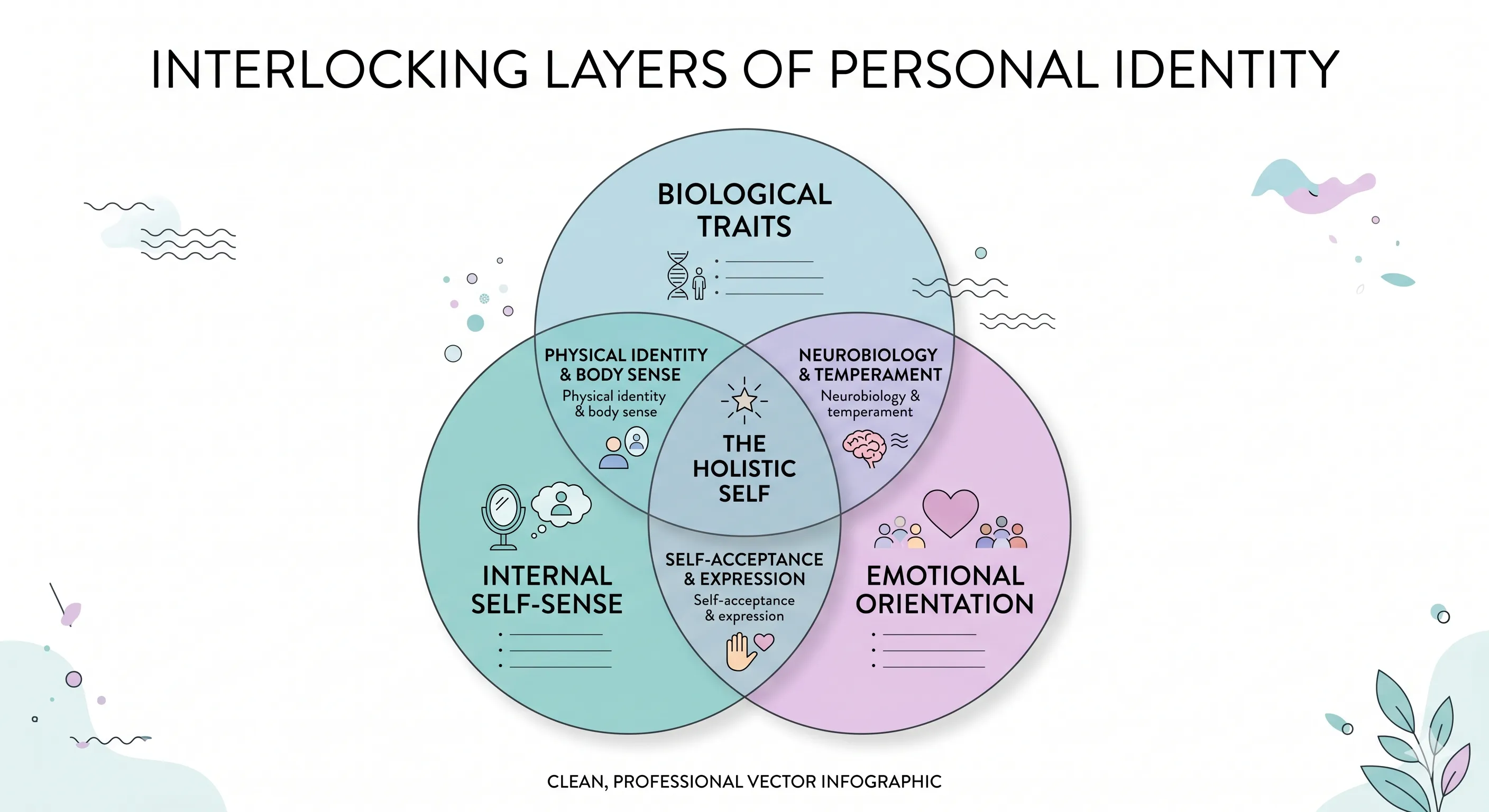
To build a clear understanding of human sexuality, you must learn to distinguish between separate but related concepts. Many people confuse these terms, which often leads to unnecessary internal worry or external misunderstandings. By defining each layer clearly, you can approach your own self-discovery journey with greater confidence and accuracy.
| Identity Layer | Core Biopsychosocial Meaning | Common Misconception |
|---|---|---|
| Biological Sex | Physical anatomy, chromosomes, and birth baselines. | Dictates emotional behavior. |
| Gender Identity | Deeply held internal sense of being male, female, or non-binary. | Tied directly to who you love. |
| Sexual Orientation | Natural patterns of emotional and romantic attraction. | Fixed permanently at birth. |
Differentiating Biological Sex from Sexual Expression
Biological sex is determined by your physical anatomy, chromosomes, and hormonal baselines at birth. In contrast, sexual expression is a behavioral and psychological reality that develops throughout your life. Your physical body does not automatically dictate how you feel, how you love, or how you express desire. Understanding this separation helps you realize that your emotional experiences are entirely valid. This awareness allows you to separate societal expectations from your authentic internal desires.
Separating Gender Identity from Romantic Attraction Patterns
Gender identity is your deeply held internal sense of who you are, whether that is male, female, or somewhere along the non-binary spectrum. On the other hand, sexual orientation is about who you are naturally drawn to emotionally, romantically, and physically. For instance, knowing who you are as an individual is a completely separate psychological process from discovering who you love. Recognizing this boundary allows you to unpack your feelings without confusing different aspects of your self-identification.
The Four Core Dimensions of Human Sexuality
Human sexuality functions as a multi-layered experience rather than a single trait. To truly comprehend its scope, researchers break it down into four distinct dimensions. Each dimension interacts with the others, shaping your unique perspective and internal world.
- 1. The Biological Layer: Response Cycles and Physicality
This layer involves your physical anatomy, genetics, and the natural hormonal fluctuations that drive physical arousal. It includes the study of the body's physical capabilities and sexual health parameters. Understanding this layer helps you appreciate the natural, healthy physical baselines of the human body. - 2. The Psychological Layer: Emotional Attachment and Desire
This dimension focuses on your mind, including your fantasies, emotional bonds, and internal motivations for intimacy. It dictates how you perceive attraction and how you process feelings of love or vulnerability. Your psychological state heavily influences how comfortable you feel exploring your unique identity. - 3. The Socio-Cultural Layer: How Traditions and Media Shape Us
No one grows up in a vacuum; your environment plays a massive role in how you view sexuality. This layer includes family upbringing, religious traditions, societal laws, and media representations. Cultural expectations can either support your self-expression or create internal friction that requires careful reflection to resolve. - 4. The Spiritual Layer: Personal Values, Ethics, and Beliefs
For many individuals, sexuality is deeply connected to their core values, moral philosophy, and spiritual beliefs. This dimension determines how you bring meaning, respect, and ethical considerations into your personal relationships. Aligning your sexual expression with your personal values promotes long-term emotional harmony.
Why Questioning Your Attraction Spectrum Is Perfectly Normal
If you find yourself uncertain about your labels or notice changes in your feelings, remember that questioning is a healthy phase of personal development. Human attraction rarely fits into permanent, rigid boxes. Instead, modern psychology shows that many individuals experience variations in their desires at different points in their lives.
Why Personal Attraction Patterns Vary So Greatly
Human attraction exists along a continuous spectrum rather than an all-or-nothing binary system. Because your psychological and emotional needs evolve as you grow, your attraction patterns might naturally adjust as well. This concept, known as sexual fluidity, highlights that variations in desire are normal features of human nature. You do not need to rush to a permanent conclusion to be whole. For many, recognizing these shifts can lead to a deeper alignment with their true selves.
Overcoming the Emotional Stress of Rigid Labels
Forcing yourself into a specific category before you are ready can generate significant anxiety and self-doubt. Society often demands instant answers, but your internal world deserves patience and gentle observation. When you let go of the pressure to claim a definitive label, you give your mind the freedom to process feelings honestly. Accepting that your feelings may exist on a spectrum is a profound act of self-care.
How Self-Reflection Tools Assist in Organizing Your Thoughts
When your internal feelings feel overwhelming, finding a structured method to sort through them can be incredibly useful. Self-reflection tools provide a safe, private framework to help you visualize your thoughts without judgment. They act as analytical mirrors, helping you look at your experiences from a fresh, objective perspective.
Using Guided Queries for Personal Clarity
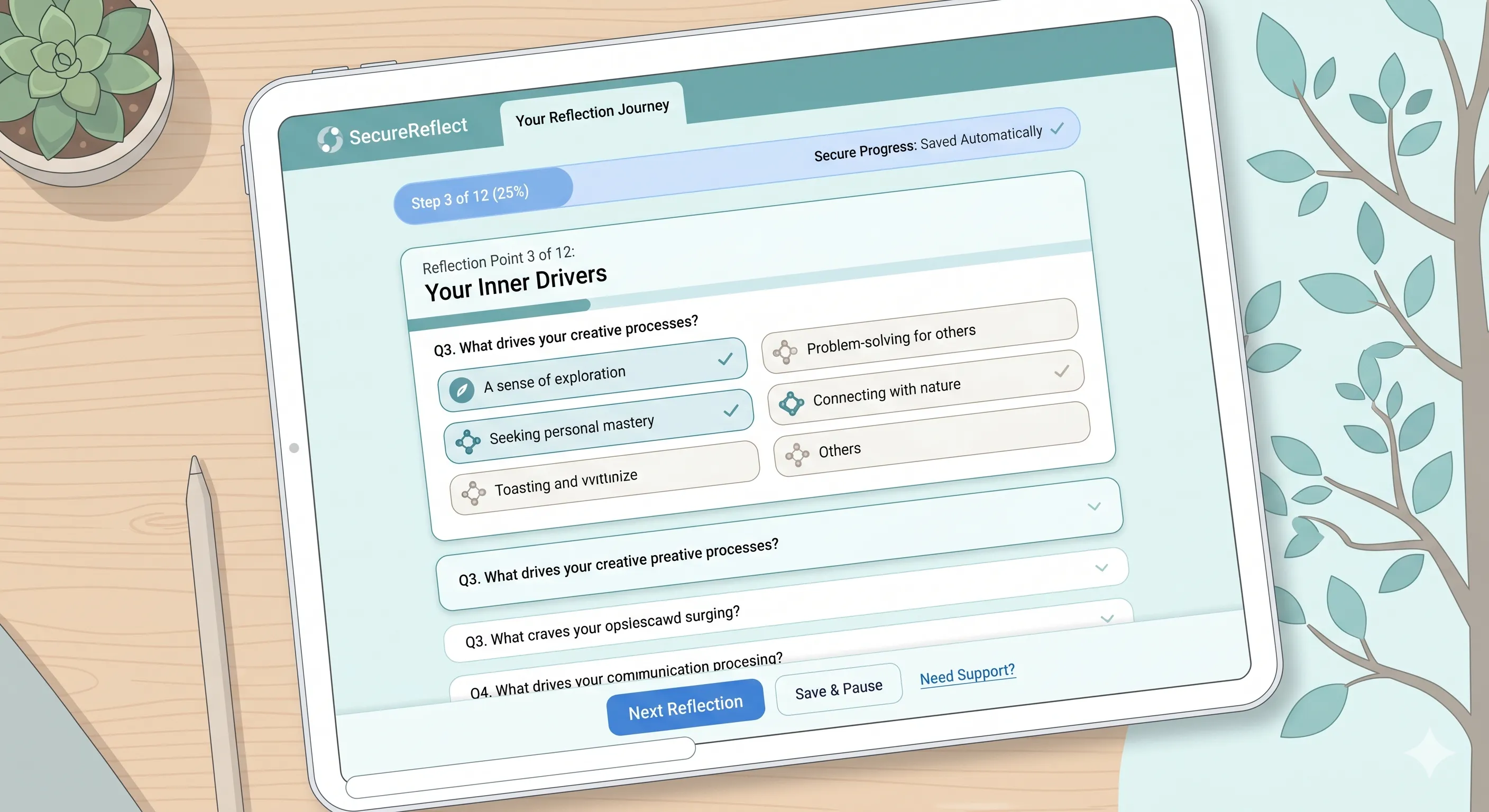
Guided questionnaires can help you break down complex emotions into specific, manageable insights. By answering targeted questions about your feelings, you can begin to recognize patterns in your attractions that you might have previously overlooked. To start processing these patterns using structured educational models, you can safely explore the online resource center at SexualityTest.org to find quiet guidance and organize your thoughts effectively.
The Vital Boundary Between Self-Reflection and Clinical Assessment
It is crucial to remember that online educational tools are built solely for self-awareness and personal clarity. They are not medical diagnostic devices, and they do not issue permanent psychological labels. Instead, they give you a safe starting point to understand your unique placement on the attraction spectrum. Acknowledging this boundary ensures you use these resources as supportive guides rather than rigid rulers.
An Active Framework for Managing Identity Uncertainty
To apply these concepts to your daily life, you can implement a practical "If-Then" action framework. This allows you to process fluctuating emotions with mindful awareness rather than immediate panic.
- If you feel overwhelmed by societal pressure to pick an immediate identity label, then take a step back and remind yourself that self-discovery has no expiration date.
- If you notice a temporary shift in your attraction patterns that causes you worry, then view that shift with curiosity rather than judgment, acknowledging the natural spectrum of desire.
- If internal confusion begins to disrupt your daily focus, then commit your thoughts to a private journal or utilize structured educational writing prompts to organize your mind.
Where to Go From Here in Your Self-Discovery Journey
As you move forward, remember that understanding your personal identity is a marathon, not a sprint. Be patient with yourself as you navigate your emotions, and prioritize self-acceptance above external validation. If the stress of questioning your identity ever begins to weigh heavily on your daily life, consider reaching out to a qualified counselor or a supportive community group. Seeking professional guidance is a strong, healthy step toward securing your emotional well-being. Ultimately, your journey belongs entirely to you, and you can visit the SexualityTest.org home platform whenever you want to utilize educational resources to review your personal growth in a private space.
Frequently Asked Questions
How is human sexual behavior defined in psychological research?
In psychological research, human sexual behavior is categorized by analyzing behavioral patterns, emotional attractions, and internal fantasies rather than relying solely on social labels. Researchers look at the frequency, context, and psychological motivations behind human intimacy to understand how behavior correlates with mental health and relationship satisfaction.
What defines the human sexual response cycle?
The human sexual response cycle is a four-phase physiological model that outlines how the body responds to sexual stimulation. These phases include excitement (initial arousal), plateau (sustained arousal), orgasm (physical release), and resolution (the body returning to its normal resting state). This model helps researchers understand the basic physical mechanics of human sexuality.
Are online sexuality reflection tools 100% accurate?
No online tool can offer a definitive, permanent statement about your unique identity. Online sexuality reflection tools are designed strictly as educational self-assessment resources to help you organize your thoughts and recognize personal patterns. They function as a structured starting point for your personal journey, rather than a clinical tool or an absolute diagnosis.